
shifnam.com

Author name: shifna.work@gmail.com

Uncategorized

How Can Small Businesses Use AI for Digital Marketing in 2026?

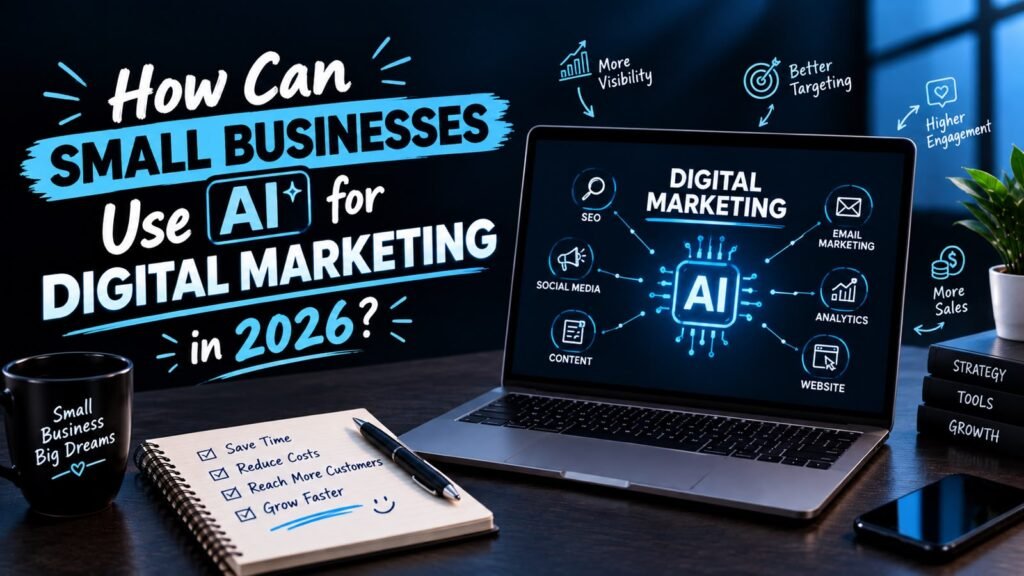
How Can Small Businesses Use AI for Digital Marketing in 2026? Small businesses across India are adopting AI tools faster than ever before. AI for digital marketing is no longer limited to large corporations with big budgets. A shop owner in Kerala can now run smarter campaigns using the same technology as national brands. Understanding how small businesses use AI for digital marketing in 2026 helps owners save time and grow revenue without hiring large teams. Start With AI Powered Content Creation Writing product descriptions blog posts and social captions takes hours every week. AI writing tools now generate drafts in seconds. A bakery in Kochi can use AI to write daily Instagram captions about fresh bread and festive orders. Owners still need to edit and add a personal voice. This keeps content authentic while saving significant time. Use AI for Smarter Ad Targeting Meta Ads and Google Ads platforms now run on AI driven targeting systems. Small businesses no longer need to guess audience segments manually. A furniture store in Malappuram selling handcrafted wooden items can let AI identify buyers most likely to convert. This reduces wasted ad spend and improves return on investment for businesses with limited marketing budgets. Automate Customer Support With Chatbots Customers expect instant replies even outside business hours. AI chatbots now handle common questions about pricing delivery and availability. A clothing boutique in Kerala can use a chatbot on WhatsApp to answer sizing questions while the owner sleeps. This builds trust and prevents lost sales due to slow response times. Personalize Email and WhatsApp Marketing Generic bulk messages get ignored quickly. AI tools now segment customers based on past purchases and browsing behavior. A local electronics shop in India can send personalized WhatsApp offers based on what a customer previously viewed. This kind of personalization increases open rates and repeat purchases far more than generic promotions. Improve SEO With AI Driven Keyword Research Finding the right keywords used to require hours of manual research. AI tools now suggest keyword clusters based on real search intent. A digital marketing trainer in Kerala teaching SEO can show students how AI identifies long tail phrases like best home decor shop in Kochi. This helps small businesses rank for searches that actually bring paying customers. Use AI for Video and Reel Creation Short video content dominates platforms like Instagram and YouTube Shorts. AI video tools now turn simple product photos into engaging reels within minutes. A car accessories shop in Malappuram can create reels showcasing new arrivals without hiring a video editor. This lowers production costs while keeping content consistent and frequent. Analyze Customer Data for Better Decisions Small businesses generate data through every sale website visit and social interaction. AI tools now turn this data into clear actionable insights. A restaurant in Kerala can identify which menu items get the most social engagement and adjust promotions accordingly. Data driven decisions replace guesswork and improve marketing outcomes over time. Optimize Google Business Profile With AI Tools Local search visibility remains critical for small businesses. AI tools now suggest optimal posting schedules and review response templates for Google Business Profiles. A car accessories shop in Malappuram managing its GMB listing can use AI suggestions to respond to customer reviews faster and more professionally. This improves local search rankings and builds stronger customer trust. Use AI for Competitor Analysis Understanding what competitors are doing used to require constant manual tracking. AI tools now monitor competitor ads content and pricing changes automatically. A hospitality business like a resort in Kerala can track competitor promotions and adjust its own offers in real time. This keeps small businesses competitive without needing a dedicated research team. Train Teams and Freelancers on AI Tools As AI adoption grows small businesses need skilled people who understand these tools. Training academies across Kerala now include AI integrated modules within digital marketing courses. A faculty trainer teaching a marketing curriculum can prepare students to use AI for content creation ad optimization and analytics. This creates a workforce ready to help small businesses implement AI effectively. Balance Automation With Human Touch AI speeds up repetitive tasks but customers still value genuine human connection. Small businesses should use AI to handle routine work while keeping personal interactions for important moments. A shop owner in India might let AI schedule social posts while personally replying to loyal customers during festivals. This balance keeps marketing efficient without losing authenticity. Start Small and Scale Gradually Small businesses do not need every AI tool available today. Start with one area like content creation or ad targeting. Measure results over a few weeks. Add new tools gradually as comfort and budget allow. A small business in Kerala testing AI for the first time should avoid overwhelming its team with too many new systems at once. Final Thoughts Small businesses using AI for digital marketing in 2026 gain a real competitive advantage. From content creation to ad targeting to customer support AI tools now handle tasks that once required large teams. Businesses across Kerala and India that adopt these tools thoughtfully while keeping a human touch will build stronger customer relationships and steadier growth throughout the year.
Uncategorized

How Do You Rank a Website in Google AI Search Results?

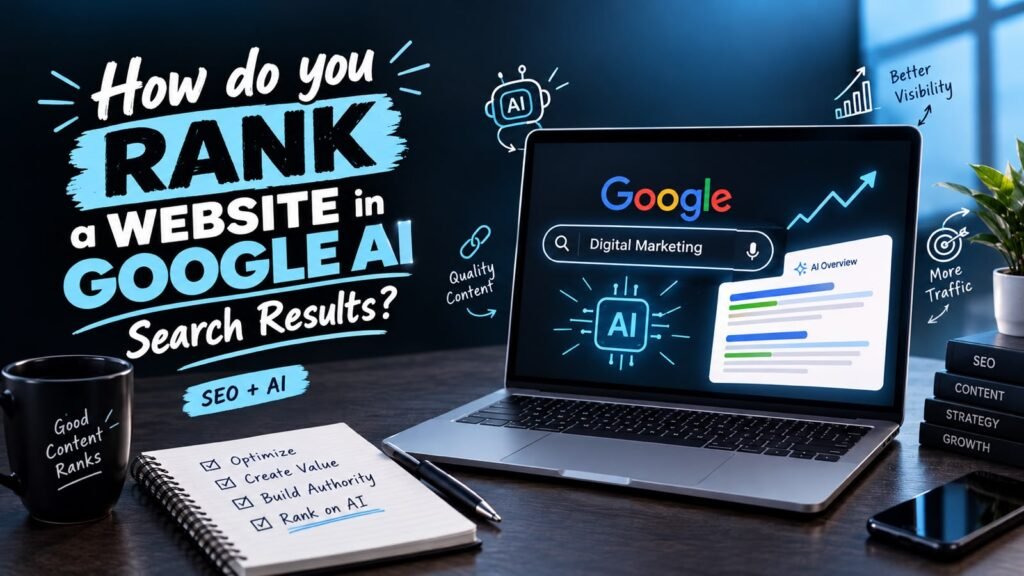
How Do You Rank a Website in Google AI Search Results? Google AI search results are changing how websites get discovered online. AI Overviews now appear above traditional search listings for many queries. Ranking a website in Google AI search results requires a different approach than classic SEO. Businesses in Kerala and across India are already adjusting their strategies for this shift. Understand How AI Overviews Pick Content Google AI search results pull information from pages that answer questions clearly. The AI system scans content for direct answers rather than long introductions. Pages that explain a topic in simple structured language tend to get selected. A website selling ceramic tiles in Kochi will rank better if its pages answer “which tiles suit Kerala’s humid climate” directly instead of burying the answer under marketing text. Focus on Clear Structure Short sections with strong headings help AI systems understand your content faster. Bullet points work well for lists of features or steps. Numbered steps work well for processes. Avoid long dense blocks of text since AI crawlers favor scannable formats. A digital marketing agency in Malappuram explaining “Meta Ads setup steps” will perform better using a numbered list than a single wall of text. Answer the Question in the First Few Lines AI search results favor pages that answer the core question early. Do not save the answer for the end of the article. State the answer within the first two or three lines under each heading. This format matches how Google AI search results generate summaries for users. It also matches how featured snippets have worked for years. Use Natural Keyword Placement Ranking a website in Google AI search results still depends on relevant keywords. Place your primary keyword in the title heading and early paragraphs. Avoid stuffing the same phrase repeatedly. Use natural variations instead. Someone searching “best SEO training in Kerala” might also search “SEO course for beginners in India.” Covering both phrases naturally increases visibility across AI generated answers.   Build Topical Authority Google AI search results favor websites that cover a topic in depth across multiple pages. A single blog post rarely earns strong AI visibility on its own. Build a cluster of related content around your main topic. A trainer teaching SEO in Kerala could publish separate pages on keyword research on-page optimization technical SEO and local SEO. Linking these pages together signals topical depth to Google’s systems. Strengthen E-E-A-T Signals Experience expertise authority and trust remain central to ranking well. Add author bios with real credentials. Show certifications and qualifications where relevant. A trainer with a diploma in digital marketing and real client results in Kerala should highlight this on the website. AI systems favor content backed by demonstrated expertise over generic unverified text. Optimize for Local Context Local relevance matters even in AI driven search. Mention specific cities states or regions where your service applies. A digital marketing freelancer in Malappuram targeting clients across Kerala should include location specific examples throughout the site. Google AI search results often personalize answers based on the searcher’s location so local signals help your content surface for nearby users. Improve Technical SEO Foundations Fast loading pages remain important for AI crawling and indexing. Mobile friendly design is essential since most searches happen on phones across India. Clean URL structures help search engines understand page hierarchy. Structured data markup using schema helps AI systems extract facts about your business products and services more accurately. Create Content That Solves Real Problems Google AI search results are built to satisfy user intent quickly. Content written purely to rank rather than to help tends to underperform. Think about the actual problems your audience faces. A car accessories shop in Malappuram might create content answering “which car accessories suit Kerala’s monsoon season.” This kind of practical content earns trust and gets surfaced more often in AI generated answers. Use FAQs Strategically Adding an FAQ section near the end of a page increases chances of appearing in AI generated summaries. Write questions the way real users type them into search engines. Keep answers short direct and factual. This format aligns closely with how Google AI search results extract question and answer pairs from web pages. Track Performance and Adjust Ranking in Google AI search results is not a one time task. Monitor which pages get pulled into AI Overviews using Search Console data. Update content regularly to reflect new information. Websites that stay current with accurate details tend to maintain visibility longer than those left untouched for months. Build Backlinks From Relevant Sources Backlinks still influence how much authority Google assigns to a website. Earn links from local business directories industry blogs and education platforms. A faculty trainer at an academy in Kerala could earn links through guest posts on marketing blogs across India. Quality matters more than quantity when building this kind of authority. Final Thoughts Ranking a website in Google AI search results combines classic SEO fundamentals with new formatting habits. Clear structure early answers natural keyword use and strong expertise signals all play a role. Businesses across Kerala and India that adapt early to these AI driven search patterns will have an advantage over competitors who stick to outdated tactics. Consistent effort paired with genuinely useful content remains the most reliable path to long term visibility.

Uncategorized

SEO vs AEO vs GEO: Which Should Businesses Focus on in 2027?

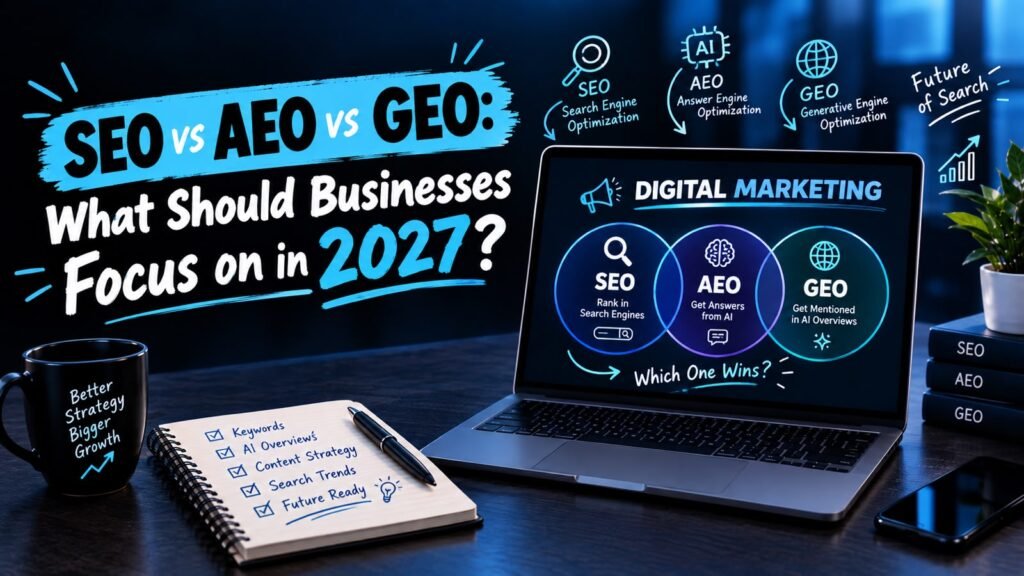
SEO vs AEO vs GEO: Which Should Businesses Focus on in 2027? Search has changed more in the last two years than in the previous decade. A shop owner in Kozhikode who ranked on page one of Google last year might now find that customers are asking ChatGPT or Google’s AI Overviews for recommendations instead of scrolling through search results. This shift is why three terms are suddenly everywhere in marketing conversations. SEO. AEO. GEO. Businesses need to understand what each one actually does before deciding where to put their money and time in 2027. What SEO Still Does ? Answer Engine Optimization is about getting content picked as the direct answer rather than just a listed link. Think about voice assistants and featured snippets. When someone asks Google Assistant or Alexa “what is the best time to visit Wayanad” they get a spoken answer pulled from a website, not a list of ten links to choose from. AEO focuses on structuring content so it answers questions clearly and directly. Short factual answers near the top of a page. Proper use of schema markup. Content organized around real questions people ask rather than just keyword stuffing. A business that wants its content picked as “the answer” needs to write like it is talking to a person asking a question, not like it is trying to trick an algorithm. What GEO Brings to the Table Generative Engine Optimization is the newest of the three and the one causing the most confusion. This is about optimizing content so that AI tools like ChatGPT, Perplexity, Google’s Gemini and AI Overviews mention or cite a business when generating their own written responses. GEO is different from AEO because it is not about appearing as a single quoted answer. It is about being one of the sources an AI model draws from when it builds a full response for a user. If someone asks an AI chatbot “which digital marketing agency should I hire in Kerala” and it names a specific agency, that is GEO working in the business’s favour. This depends heavily on how authoritative, well structured and widely referenced a brand’s content is across the internet, not just on one website. Why This Matters More for Indian Businesses in 2027 India has one of the fastest growing bases of AI tool users anywhere in the world. Tier two and tier three cities across Kerala, Tamil Nadu and Karnataka are seeing smartphone users turn to voice search and AI chat apps for everyday decisions, from choosing a doctor to picking a wedding caterer. A small business in Malappuram or Thrissur competing only on traditional SEO risks becoming invisible in a search experience that is increasingly conversational. Someone might ask an AI assistant “suggest a good furniture shop near Kozhikode with home delivery” and never see a traditional search results page at all. If a shop’s information is not structured in a way these tools can read and trust, it simply will not get mentioned. So Which One Should Businesses Focus On The honest answer is that businesses cannot pick just one anymore. Treating SEO, AEO and GEO as separate strategies is where most companies go wrong. They work together. Strong SEO fundamentals, a fast website, clear content, proper technical setup, are still the foundation everything else is built on. AEO builds on that foundation by making content directly answerable. GEO extends the reach further by making sure that same content gets cited when AI models generate answers on other platforms. A practical way to think about it for 2027 is this. If a business only wants visibility on Google’s traditional search results, SEO alone might still work but its ceiling is getting lower every quarter. If a business wants to be the voice assistant’s answer, AEO needs direct attention through FAQ style content and structured data. If a business wants to show up when people ask AI chatbots for recommendations, which is becoming a serious buying behaviour among younger, urban and tech savvy customers across India, GEO cannot be ignored. For a business in Kerala trying to compete locally and nationally, the smartest move is building content that does all three jobs at once. Write clearly with real answers to real customer questions. Structure it properly with headings and schema. Publish it consistently across a website, Google Business Profile, social platforms and any directories where AI tools might pull information from. This combined approach is what will separate businesses that stay visible in 2027 from those that quietly disappear from the new search experience without ever realizing why their traffic dropped.

Scroll to Top